
Third-Party Logistics (3PL) Explained
Third-party logistics (3PL) refers to outsourcing logistics operations—such as warehousing, fulfilment, transportation, and returns—to specialised providers. SEND PARCELHome / E-commerce logistics / Third-Party Logistics (3PL) Explained
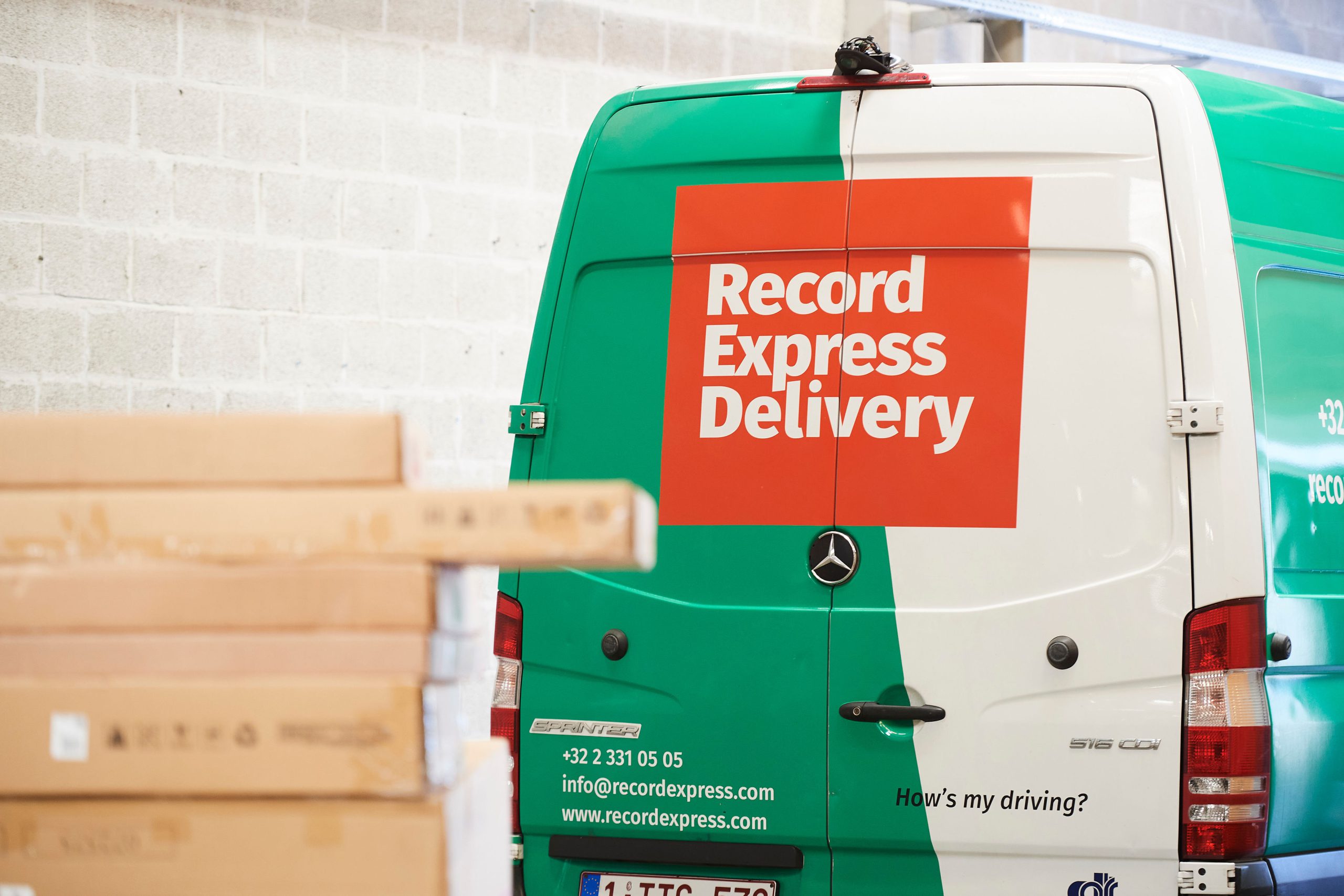
Third-Party Logistics (3PL) Explained
TL;DR: Third-party logistics (3PL) refers to outsourcing logistics operations—such as warehousing, fulfilment, transportation, and returns—to specialised providers. For businesses, 3PL services reduce costs, expand delivery capacity, and allow focus on core operations. In Belgium and across the EU, 3PL providers support e-commerce growth, cross-border trade, and compliance with increasingly complex logistics regulations.
What is third-party logistics (3PL)?
Third-party logistics (3PL) is the outsourcing of supply chain and logistics functions to an external provider (UNCTAD). Rather than managing logistics in-house, businesses rely on 3PL companies to handle processes such as storage, distribution, and delivery.
- Warehousing and inventory management
- Order fulfilment and packing
- Transportation and courier delivery
- Returns and reverse logistics
- Technology integration with e-commerce platforms
Takeaway: 3PL providers act as logistics partners, managing the movement of goods on behalf of businesses.
What services do 3PL providers offer?
3PL providers deliver a wide range of services tailored to the needs of businesses (ISO).
- Storage: flexible warehousing solutions
- Fulfilment: picking, packing, and shipping customer orders
- Transport: partnerships with carriers for cost-effective delivery
- Reverse logistics: managing returns and exchanges
- Customs & compliance: handling cross-border shipments
Some 3PLs also offer value-added services such as kitting, assembly, or sustainable packaging to support business needs.
Takeaway: 3PL services go beyond transport—they provide end-to-end supply chain management.
What are the benefits of using a 3PL provider?
Businesses benefit from cost savings, scalability, and expertise when using 3PL services (OECD).
- Lower capital investment in warehouses and vehicles
- Access to experienced logistics professionals
- Scalable services to match seasonal or growth demands
- Faster expansion into new markets
- Improved customer experience through professional delivery
3PL partnerships allow companies to stay lean, focusing resources on product development and sales rather than logistics infrastructure.
Takeaway: Outsourcing logistics frees businesses to scale efficiently without high fixed costs.
What challenges exist in 3PL logistics?
Challenges include loss of direct control, integration issues, and dependency on external providers (ISO).
- Less visibility into day-to-day operations
- Integration with existing systems may be complex
- Costs can rise with premium services or surcharges
- Service quality depends on the chosen provider
- Risk of dependency on one logistics partner
Mitigating these challenges requires careful selection of 3PL partners and strong contractual agreements.
Takeaway: While 3PL offers efficiency, businesses must manage risks linked to outsourcing.
How to choose the right 3PL provider?
Choosing a 3PL provider requires aligning business needs with the provider’s capabilities (European Commission).
- Evaluate geographic coverage and delivery speed
- Check technology integration with your platforms
- Review compliance and certifications (ISO, AEO)
- Assess scalability for seasonal demand
- Compare costs, SLAs, and customer support
For e-commerce companies, the ability to integrate directly with online platforms and manage returns is a critical differentiator.
Takeaway: The best 3PL provider is one that combines reliability, scalability, and transparency.
What role does technology play in 3PL?
Technology is central to 3PL operations, enabling integration, tracking, and performance visibility (IBM).
- Warehouse management systems (WMS)
- Order management systems (OMS)
- Real-time tracking and analytics dashboards
- AI for demand forecasting and optimisation
- Cloud-based collaboration tools for supply chain partners
Technology enables 3PL providers to deliver seamless, data-driven services that improve both efficiency and customer satisfaction.
Takeaway: Digital integration is what makes 3PL scalable and reliable for businesses of all sizes.
How Record Express supports 3PL logistics in Belgium
Record Express works with businesses in Belgium to provide third-party logistics solutions tailored to their needs.
- Flexible warehousing and fulfilment partnerships
- Integration with e-commerce platforms for smooth order flows
- Reliable courier services for last-mile delivery
- Support for returns and reverse logistics
- Nationwide coverage across Brussels, Antwerp, Ghent, and beyond
By combining local expertise with EU logistics networks, Record Express ensures Belgian businesses can scale online operations while maintaining reliable customer delivery.
🔗 Related reading:
- E-Commerce Logistics Basics
- Freight Forwarding Explained
- Customs Clearance Services for Businesses
- Logistics Compliance: Laws & Standards
- Sustainable Logistics Practices
FAQs
1. What does 3PL mean?
It stands for third-party logistics, where a business outsources logistics operations to an external provider.
2. What services do 3PL providers offer?
Storage, fulfilment, transportation, reverse logistics, and compliance support.
3. What are the benefits of 3PL?
Cost savings, scalability, expertise, and faster market expansion.
4. What are the risks of 3PL?
Loss of control, integration challenges, and reliance on external providers.
5. Does Record Express provide 3PL services?
Yes—Record Express partners with businesses to provide scalable 3PL solutions in Belgium.
Sources
Record Express was awarded a 59/100 score by EcoVadis, the global leader in sustainability ratings.


