
Handling Dangerous Goods in Logistics
Dangerous goods logistics refers to the safe handling, storage, and transportation of hazardous materials such as chemicals, flammable liquids, and medical substances SEND PARCELHome / E-commerce logistics / Handling Dangerous Goods in Logistics
Handling Dangerous Goods in Logistics
TL;DR: Dangerous goods logistics refers to the safe handling, storage, and transportation of hazardous materials such as chemicals, flammable liquids, and medical substances. Strict international and EU regulations—including ADR, IATA, and IMDG codes—govern how hazardous goods are packaged, labelled, and transported. In Belgium and across Europe, compliance ensures safety for people, the environment, and businesses while maintaining supply chain continuity.
What are dangerous goods in logistics?
Dangerous goods are substances or items that pose risks to health, safety, property, or the environment when transported (UNECE). These goods are classified into hazard categories and require special handling to minimise risk during storage and delivery.
- Explosives (Class 1)
- Flammable gases and liquids (Class 2 and 3)
- Toxic and infectious substances (Class 6)
- Radioactive materials (Class 7)
- Corrosives and oxidising agents (Class 5 and 8)
Takeaway: Dangerous goods logistics requires specialised expertise to transport items that could cause harm if mishandled.
What regulations govern dangerous goods logistics?
Transport of hazardous goods is regulated by international frameworks and EU standards (European Commission).
- ADR: European Agreement concerning the International Carriage of Dangerous Goods by Road
- IATA DGR: International Air Transport Association rules for air shipments
- IMDG Code: International Maritime Dangerous Goods Code for sea transport
- RID: Regulations for rail transport of dangerous goods
- National laws enforced by customs and safety authorities
Compliance requires correct packaging, documentation, and certification for all hazardous shipments.
Takeaway: Regulatory frameworks ensure consistent global safety standards for dangerous goods delivery.
What packaging and labelling are required?
Dangerous goods must be packaged and labelled according to hazard class requirements (IMO).
- UN-certified packaging tested for impact and leakage
- Hazard labels and symbols for identification
- Safety data sheets accompanying shipments
- Segregation of incompatible goods to avoid reactions
- Secondary containment for liquids and corrosives
Incorrect packaging or labelling can result in fines, shipment rejection, or safety risks during transit.
Takeaway: Packaging and labelling protect handlers, carriers, and recipients from potential hazards.
What are the risks of transporting hazardous goods?
Risks include accidents, environmental damage, and legal penalties if dangerous goods are mishandled (OECD).
- Spills or leaks during transit
- Fires or explosions from flammable substances
- Health risks from toxic or infectious goods
- Damage to vehicles, warehouses, or public infrastructure
- Severe fines for non-compliance with regulations
Training and compliance are essential to reduce these risks in logistics operations.
Takeaway: Transporting hazardous goods safely prevents accidents and protects both people and businesses.
What training and certifications are required?
Staff handling dangerous goods must be trained and certified according to EU and international standards (ICAO).
- ADR driver training for road transport
- IATA certification for air shipments
- IMDG training for maritime transport staff
- Warehouse staff trained in segregation and storage rules
- Emergency response training for incidents
Certification ensures that all personnel are equipped to manage hazardous shipments safely and compliantly.
Takeaway: Training is the frontline defence against dangerous goods accidents and compliance breaches.
How does technology support hazardous goods logistics?
Technology helps track, monitor, and ensure compliance for dangerous goods shipments (IBM).
- IoT sensors for monitoring temperature, vibration, and leaks
- GPS tracking for real-time shipment visibility
- AI for risk prediction and route optimisation
- Digital documentation for customs and compliance
- Blockchain for secure audit trails
Technology reduces human error and ensures hazardous goods move safely across supply chains.
Takeaway: Digital tools provide transparency and security in transporting high-risk goods.
How Record Express handles dangerous goods in Belgium
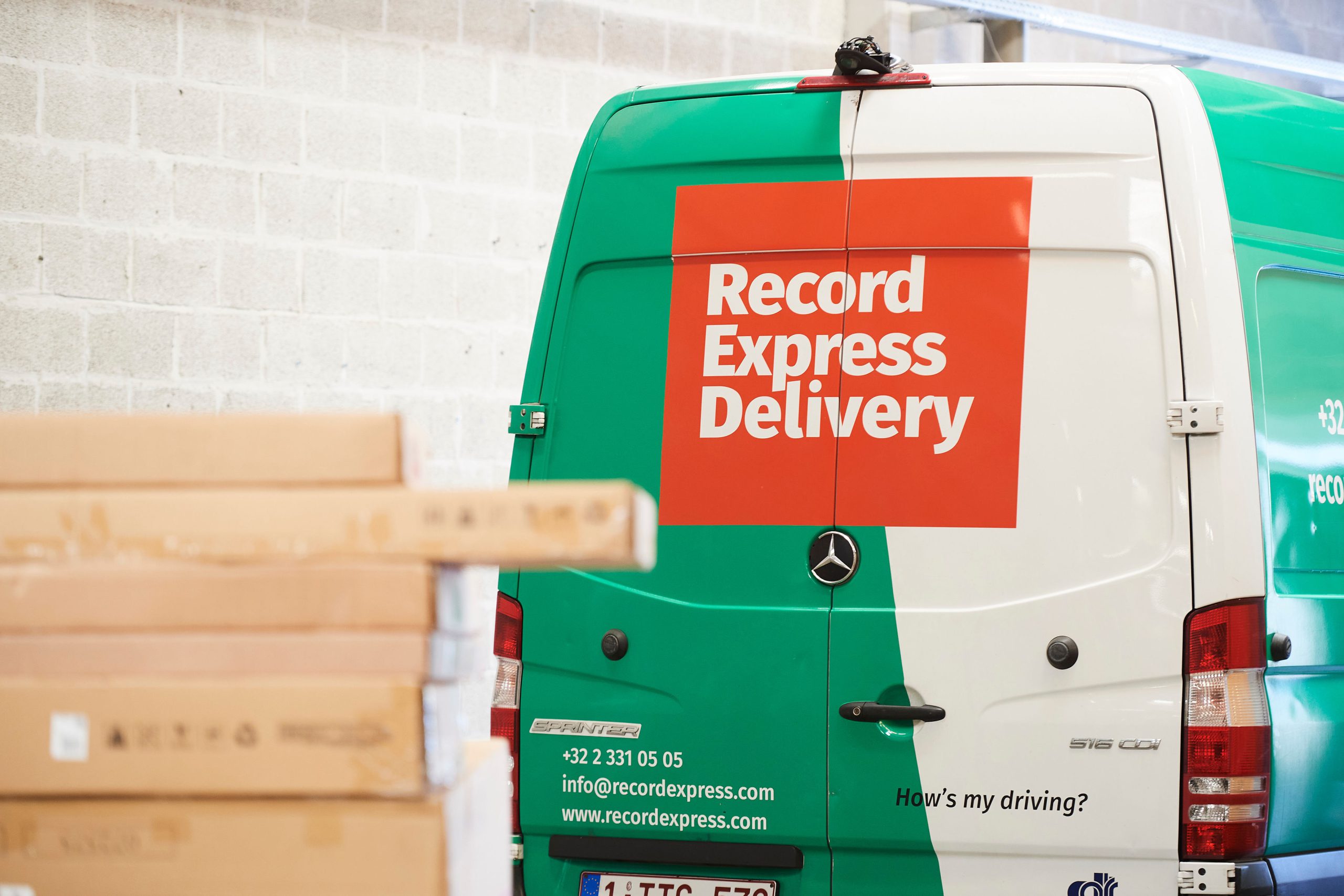
Record Express provides compliant hazardous goods delivery services across Belgium, adhering to strict EU and international standards.
- ADR-compliant courier fleet for safe road transport
- Specialised packaging and labelling for hazardous goods
- Trained handlers and certified drivers
- Coverage across Brussels, Antwerp, Ghent, and national routes
- Integration with customs and compliance authorities
By prioritising safety and compliance, Record Express ensures reliable and secure hazardous goods transport for Belgian businesses.
🔗 Related reading:
- Logistics Compliance: Laws & Standards
- Freight Forwarding Explained
- Warehouse-to-Site Logistics
- Customs Clearance Services for Businesses
- Technology in Logistics
FAQs
1. What are dangerous goods?
Items that pose risks to health, safety, or the environment, such as chemicals, flammable liquids, or radioactive materials.
2. What regulations apply to hazardous goods transport?
ADR for road, IATA DGR for air, IMDG for sea, and RID for rail transport.
3. How are dangerous goods packaged?
In UN-certified packaging with hazard labels, segregation, and containment measures.
4. Do drivers need special training?
Yes—ADR training is mandatory for road transport, and other certifications apply for air and sea.
5. Does Record Express handle hazardous goods?
Yes—Record Express offers ADR-compliant dangerous goods logistics across Belgium.
Sources

Record Express was awarded a 59/100 score by EcoVadis, the global leader in sustainability ratings.


