
Delivery Timelines for Bulky Goods: Belgium vs EU Average
SEND PARCELHome / Our Business Areas / Industry /
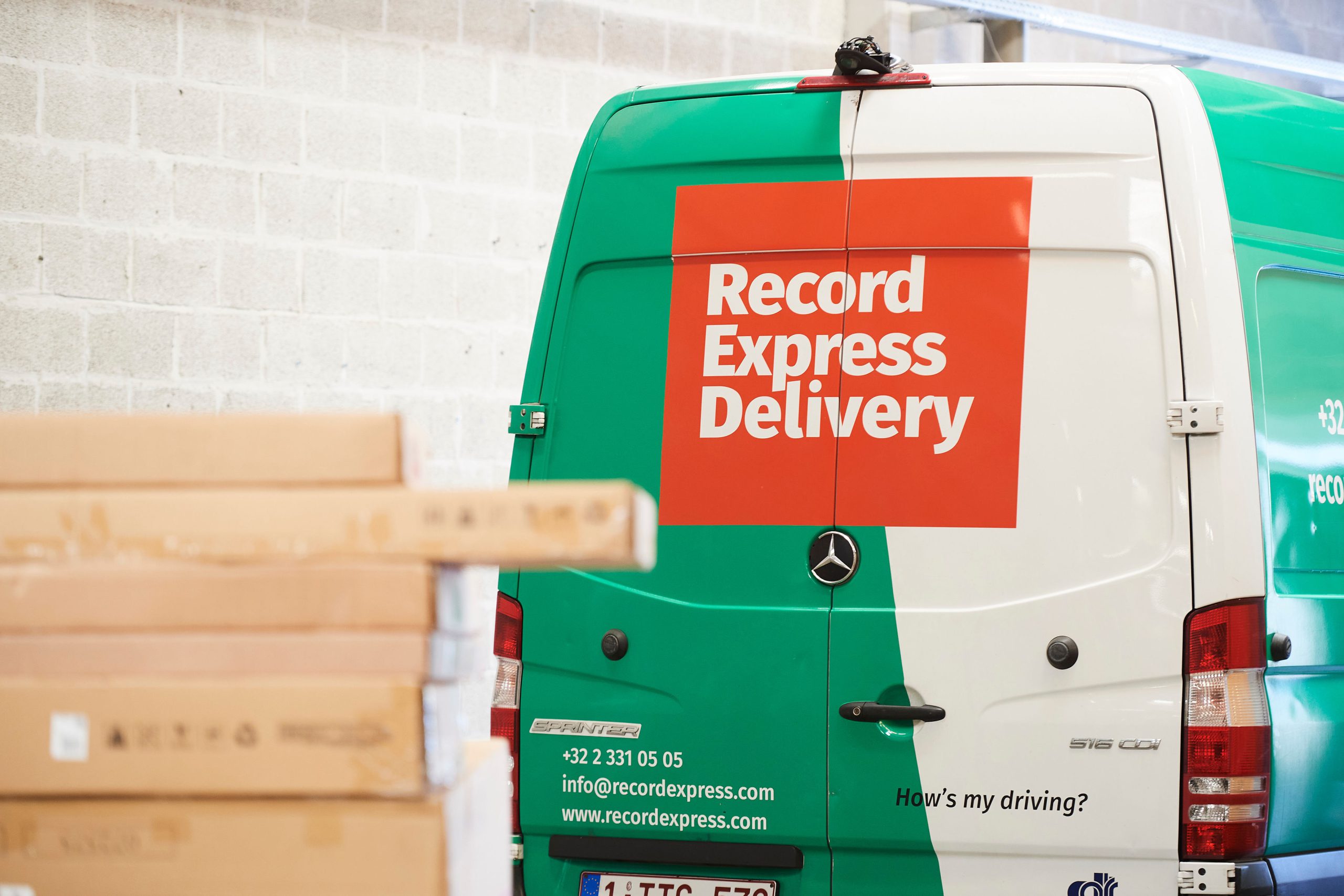
Bulky deliveries take longer than parcels because vehicles run fewer stops per route, access is harder in cities, and many consignments need two-person handling.
In Belgium, well planned domestic bulky deliveries commonly complete in two to four working days and cross-border Benelux in two to five days, while longer EU lanes typically run three to seven days depending on distance, service level, and consolidation.
The fastest improvements come from fixed regional departures, appointment scheduling, right-sized vehicles, and clear cut-off times.
Track four KPIs, first-time success, on-time delivery, average days to deliver by lane, and cost per stop.
Key figures at a glance
What delivery timelines mean in bulky logistics
Timelines are not just transit days. For bulky goods they include booking, load planning, vehicle availability, access checks, two-person crew scheduling, and appointment windows agreed with the consignee.
The full delivery cycle starts when an order meets the cut-off and ends when proof-of-delivery is captured with photos.
Any step that slips adds days.
Unlike parcel networks, bulky consignments cannot be dropped at any time to any address, so operational rhythm and customer communication matter far more than raw road distance.
Belgium has advantages for speed. The country sits at the centre of dense EU corridors with strong motorway links and short cross-border legs to the Netherlands, Luxembourg, France, and Germany.
Those advantages only materialise when routes are consolidated sensibly and when cut-offs are realistic.
When bulky operations copy parcel promises without the right planning, failed attempts and redeliveries erase any headline speed claims.
Belgium vs EU delivery timeline benchmarks
The ranges below are typical planning windows for bulky goods when operations use consolidated regional departures and appointment scheduling.
Figures vary with season, distance, product mix, and service level.
Use them as a reference to shape customer promises and to select the right model per lane.
| Lane type | Belgium typical | EU average typical | Notes |
|---|---|---|---|
| Domestic Belgium, regional | 2–3 working days | 3–4 working days | Right-sized vans, two-person crews, appointment slots improve success |
| Domestic Belgium, nationwide | 2–4 working days | 3–5 working days | Cross-dock hub creates predictable trunking and local final mile |
| Benelux cross-border | 2–5 working days | 3–6 working days | Short legs, cut-offs and consolidation cadence drive outcomes |
| EU medium range, FR DE NL LU | 3–6 working days | 4–7 working days | Groupage trunking to regional hubs plus appointment final mile |
| EU longer range, ES IT AT CZ | 4–7 working days | 5–9 working days | Transit distance and hub handovers add days; careful packaging reduces rework |
The biggest drivers of bulky delivery speed
- Cut-off discipline: Clear order cut-off times prevent half-empty vehicles and late bookings that push routes a day.
- Stop density: More deliveries per run reduces distance per stop and protects appointment windows.
- Vehicle choice: Vans for dense cities, 12-ton trucks for regional milk runs, artics for trunking. Wrong sizing slows routes.
- Two-person crews: Necessary for heavy or fragile items, they lengthen dwell time per stop if not planned well.
- Appointment scheduling: Customers pick a day and a two to four hour window, which minimises failed visits.
- White-glove services: Room-of-choice delivery and assembly add time on site but cut re-deliveries and returns.
Service models and their typical SLAs
Choose a model per lane and product type rather than one-size-fits-all.
The table shows common SLAs observed by retailers and carriers across Belgium and neighbouring EU markets.
| Model | Typical SLA window | Best for | Pros | Watch-outs |
|---|---|---|---|---|
| Consolidated regional departures | 2–4 days domestic, 3–6 days EU | Most bulky retail items | High utilisation, predictable days | Needs strict cut-offs |
| Milk run final mile | Set-day service by postcode | Store rounds, dense urban areas | Reliable time windows | Volume volatility hurts density |
| White-glove two-person | 3–7 days | Premium furniture, appliances | Fewer returns and damages | Longer dwell at stops |
| Direct dedicated van | Next day to two days | Urgent or delicate items | Fastest option | High cost per stop |
Urban vs regional timelines inside Belgium
Brussels, Antwerp, and Ghent concentrate demand and restrict access. Vans with tail-lifts and experienced crews move faster in these areas than large trucks.
Appointment adherence is also tighter where parking is scarce.
In more regional zones, mixed routes with a 12-ton truck can serve more stops across a wider area when cut-offs are managed, yet travel time increases with distance.
The fastest mix is often to trunk consolidated loads to a local hub then run van-based rounds with planned slots.
Domestic vs cross-border EU timelines
Domestic routes benefit from familiar access rules and consistent customer expectations.
Cross-border deliveries add language, road rules, and sometimes toll or city access differences.
Benelux lanes remain fast due to proximity, while longer EU legs should be quoted with a wider SLA because unforeseen delays compound over distance.
Appointments and SMS updates in the consignee language remove friction and reduce failed attempts.
How to quote delivery dates without over-promising
Anchor dates to your departure cadence. If a region runs Tuesday and Friday departures, publish order cut-offs to hit those trucks.
Offer a fast paid option for urgent orders using a dedicated van, but steer most volume to consolidated days through pricing or promotion.
Give customers a two to four hour window, remind them the day before, and provide a live driver link on the day.
This combination keeps promises realistic and improves first-time success.
Cut-off times and their effect on speed
Cut-off discipline is the simplest lever for speed.
Poorly enforced cut-offs produce late bookings that push loads into the next departure.
Enforced cut-offs improve average fill, which supports more frequent departures.
Publish times clearly on checkout pages and order portals, and show customers which day they will ship based on when they order.
Internally, align warehouse pick and pack schedules so late pieces do not hold a whole route.
The impact of failed delivery attempts on timelines
Failed attempts add at least one to three days for bulky goods, sometimes more if routes return to the same area only twice a week.
Appointment booking and pre-arrival SMS reduce this risk.
For heavy or fragile items, two-person crews and room-of-choice placement further reduce returns and eliminate rescheduling that would otherwise extend the SLA.
Where sites have restricted access, gather constraints during booking and add notes to the driver app.
Returns and reverse logistics in the timeline picture
Returns are more time consuming with bulky goods.
Planning collection on the same visit as the delivery or on the next regional run shortens the cycle a great deal.
For white goods and furniture, packaging removal and set-up on delivery prevent many returns.
When returns are unavoidable, capture photos of condition, assign a slot, and route to repair or recycling without a depot layover.
When to choose speed over consolidation
Some orders justify a faster service at higher cost.
Examples include gift deadlines, showroom installs, failed first delivery that must be recovered quickly, and sensitive B2B projects where trades are scheduled.
In these cases, a dedicated van or a priority white-glove slot is sensible.
The operational rule is to protect core consolidated rounds while offering a priced express path that does not disrupt planned departures.
Communicate the surcharge transparently and keep express capacity ring-fenced to avoid ripple delays across the rest of the week.
Technology that accelerates bulky delivery
- Route optimisation and geofencing: Shortens kilometres per stop and alerts teams when a driver approaches, improving customer readiness.
- Appointment portals: Customers pick slots that match real departure days, which increases first-time success.
- Proof-of-delivery with photos: Closes orders faster and resolves queries without delays.
- Asset tracking for returnable protection: Ensures blankets and frames come back so the next route is not short of gear.
- Slot scheduling at hubs: Controls dock dwell and stop-start delays that add a day to long EU routes.
Compliance and site access considerations
Staying within vehicle weight and dimension rules protects routes from enforcement delays.
In some EU cities, access restrictions and environmental zones limit which vehicles can enter at certain hours.
Align final mile fleet composition and time windows to local rules and publish any constraints at checkout.
For hazardous bulky items, ADR classification and documentation add process time, so book slots accordingly and avoid mixing incompatible loads that increase handling.
Seasonality and how to protect SLAs
Peaks around holidays and sales events compress capacity, while bad weather reduces speed in some regions.
Protect SLAs by increasing departure frequency on short legs and tightening cut-offs.
Publish earlier order-by dates, shift customers to set-day deliveries, and add temporary evening rounds where crews are available.
For long EU lanes, increase the SLA range by a day and keep customers informed with proactive updates when conditions change.
KPIs to track timeline performance
| KPI | Target | How to calculate | Notes |
|---|---|---|---|
| Average days to deliver | Stable or improving by lane | Order cut-off to POD date | Report by postcode region and product class |
| On-time delivery rate | ≥ 95% domestic, ≥ 92% EU | Delivered within booked day or window | Exclude force majeure with proof |
| First-time success | ≥ 95% | Delivered on first attempt over total | Appointment and SMS most influential inputs |
| Cost per stop | Down 10–20% post consolidation | Total delivery spend over completed stops | Balance cost vs promised speed |
Need a realistic SLA for your lanes?
Record Express can build a region-by-region timetable and publish customer-facing SLAs tied to real departures.
Speak with our team.
FAQ
Why are bulky timelines longer than parcel timelines?
Bulky routes have fewer stops per vehicle and many deliveries need two-person handling and appointments. Planning and access add time that parcels avoid.
Can we offer next-day bulky delivery in Belgium?
Yes for selected products and regions using dedicated vehicles or priority white-glove slots. Use it sparingly so consolidated rounds are not disrupted.
How do cut-offs improve speed?
Clear order cut-offs lift vehicle fill and support set-day departures. This increases frequency without raising cost per stop, so average days fall.
What is the fastest way to reduce re-deliveries?
Appointment scheduling with SMS ETAs. Customers confirm availability and prepare access, which lifts first-time success and stabilises SLAs.
How should we set EU SLAs for long lanes?
Use a wider window and communicate early. Book appointments before trunking and keep customers informed with live tracking when possible.
Sources & Further Reading

Record Express was awarded a 59/100 score by EcoVadis, the global leader in sustainability ratings.


