
Industrial Delivery for Manufacturing Companies: Belgium Case Studies
Case studies of industrial delivery for Belgian manufacturers. SEND PARCELHome / Our Business Areas / Industry /
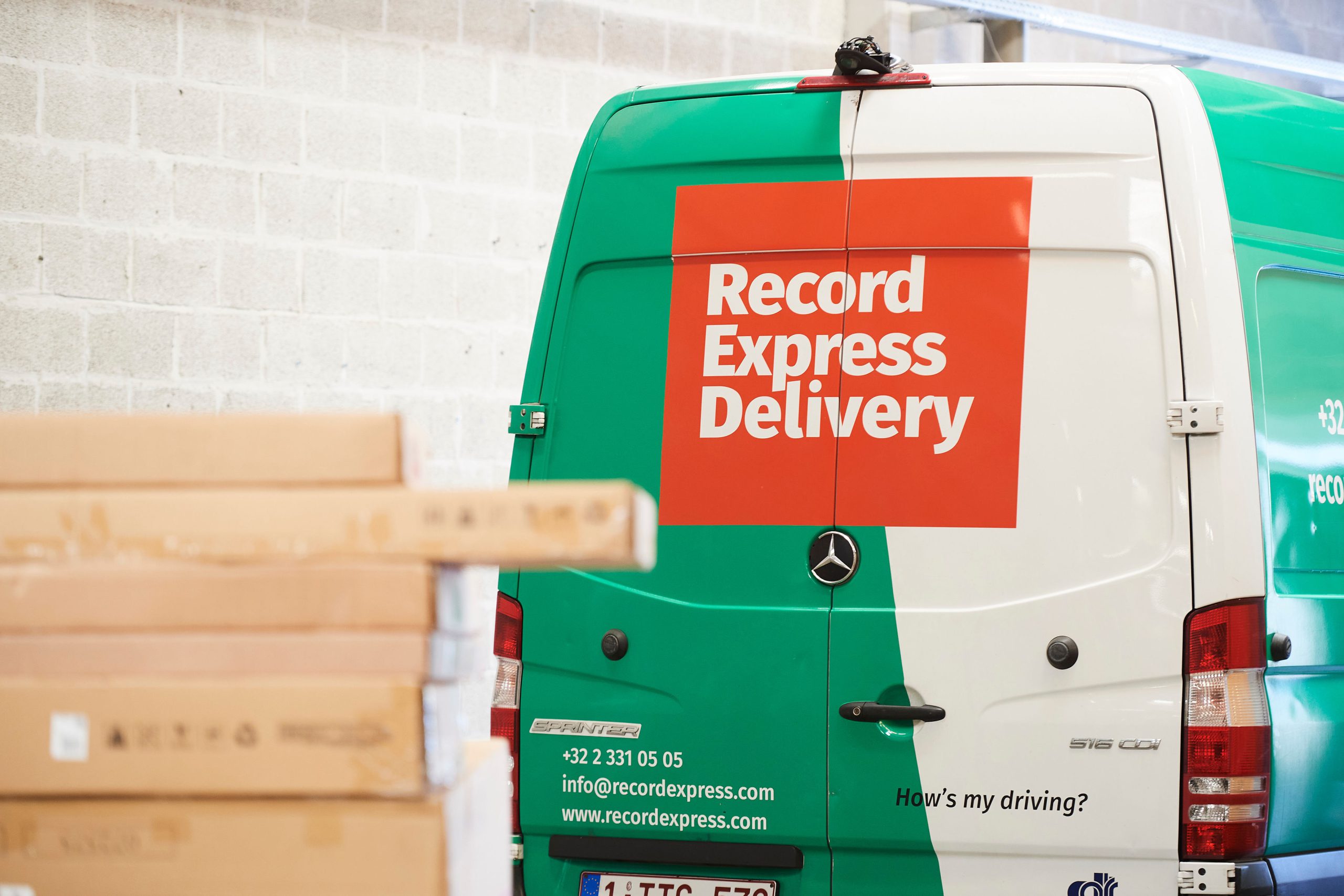
Belgian manufacturers improve reliability and cost by standardising packaging, consolidating supplier flows, and using route plans that match plant takt time.
The best results come from hybrid models that mix cross-dock, dedicated shuttles, and ADR-compliant carriers where needed.
Five Belgian case studies below show 8–29% transport savings, 20–45% faster inbound cycle time, lower damage rates, and better CO₂ trends.
Start with an eight-week data audit, map every lane, and pilot the most expensive route first.
Key figures at a glance
Why industrial delivery is different to retail logistics
Manufacturing logistics serves production lines, not only customers.
Every delivery decision must respect takt time, line changeovers, and component criticality.
Parcels and ad-hoc carriers rarely fit.
Manufacturers in Belgium run strict inbound windows, dock capacity plans, and vendor rules that protect flow.
Miss a slot, quality slips or the line stops, both are expensive.
Industrial delivery therefore focuses on predictable slotting, ASN quality, packaging standards, and incident handling that avoids disruption.
Belgium’s position in the EU makes cross-border flows normal.
Components move in from France, Germany, and the Netherlands, then finished goods ship across Benelux and the wider EU.
Rules on vehicle weights, ADR, and road access apply, and paperwork such as CMR and Incoterms needs to match the risk profile.
Plants that treat these as routine, with well trained partners, run smoother week after week.
Design principles that keep factories running
- One timetable, many modes: Build a weekly rhythm that matches production, then mix shuttles, groupage, and full loads as volumes change.
- Packaging first: Choose returnable bins or KLTs where possible. Protect critical surfaces with inserts. Standard sizes stack fast, save cube, and lower damage.
- Supplier playbook: Issue a routing guide, label standard, and ASN template. Share dock calendars and penalties for missed rules. Simpler rules are followed more often.
- Right-sized vehicles: Use vans in cities, 12-tonners for regional milk runs, and artics for EU trunking. The wrong truck wastes fuel and time.
- Safety and compliance: Enforce ADR rules, check load securing, track CMR accuracy, and keep driver inductions up to date. Incidents create hidden cost.
Case study 1: Steel fabricator, Liège — inbound consolidation and dock fluidity
A steel fabricator in Liège sourced plates, beams, and fittings from suppliers in Belgium and Germany.
Daily arrivals created dock jams and idle forklifts.
Partial pallets were common, packaging was inconsistent, and trucks queued for checks.
We ran an eight-week data audit, mapped every lane, and set a new rhythm.
Two weekly consolidated arrivals replaced scattered deliveries.
Suppliers moved to common pallet footprints with corner protection and shrink wrap standards.
A pre-advice file captured weight, cube, ADR flags, and photo evidence at the supplier gate.
| Metric | Before | After | Impact |
|---|---|---|---|
| Inbound arrivals per week | 19 | 7 | Fewer checks, fewer queues |
| Average trailer fill | 42% | 82% | Better €/kg and fewer trips |
| Dock occupancy at peak | 143% | 92% | Reduced overtime and delays |
| Transport cost per tonne | €41.50 | €31.20 | 25% saving on the lane |
CO₂ per inbound tonne fell due to fewer trips.
Claims dropped as corner protection became standard.
The plant kept the same production output with one less intake forklift on shift.
Case study 2: Food manufacturer, Flanders — temperature control and shelf-life loss
A chilled foods producer struggled with short shelf life on supermarket orders when trailers queued.
Temperature rose during delays, and some orders failed intake checks at customer depots.
Transport was reliable, dock flow was not.
We introduced time-phased slots that matched the customer depots, and a shuttle plan that built full loads at a nearby cross-dock.
Two-hour windows were agreed with the retail buyers and logistics teams.
A simple rule helped: no outbound leaves without a validated intake slot and a live temperature graph in the EDI packet.
| Metric | Before | After | Impact |
|---|---|---|---|
| Shelf-life loss at delivery | 1.4 days average | 0.6 days | More sellable life for retailers |
| Intake rejections | 2.1% of orders | 0.4% | Fewer credits and disposals |
| On-time in full | 93% | 98% | Smoother promotions |
The plant avoided night-shift overtime, and customers extended listings to more stores.
Reliable intake beats chasing last-minute trucks.
Case study 3: Pharma, Wallonia — ADR, GDP, and evidence for audits
A pharmaceutical site shipped temperature-controlled intermediates to EU fill-finish partners.
Loads needed ADR class rules and GDP evidence.
Paper records were slow to retrieve during audits.
We set a carrier panel with trained drivers, validated equipment, and real-time temperature feeds.
The shipment record included calibration certificates, route risk notes, and electronic signatures.
A single portal kept certificate expiry dates visible to QA and logistics.
| Metric | Before | After | Impact |
|---|---|---|---|
| Audit document prep | 3–5 days manual gathering | Same day, under 2 hours | Faster audits, fewer findings |
| Temperature excursions | 0.8% of shipments | 0.1% | Stronger release confidence |
| Carrier non-conformance | 7 per quarter | 1 per quarter | Better SOP compliance |
The QA team gained control without adding headcount.
Logistics gained trained capacity and fewer hand-offs.
Case study 4: Automotive components, Limburg — milk runs and kanban
An automotive supplier fed multiple lines with parts from five Belgian and Dutch vendors.
Pallets arrived at random, buffers swelled, and pickers walked too far.
Line stoppages were rare but costly.
A two-hourly milk run replaced sporadic arrivals.
Vendors packed parts into returnable bins with fixed quantities.
Colour labels linked bins to kanban cards, and scanners posted ASNs automatically at the vendor gate.
The run used a 12-ton truck sized for city access and dock height.
| Metric | Before | After | Impact |
|---|---|---|---|
| Average line inventory | 3.9 days | 2.2 days | Less capital tied up |
| Picker travel per shift | 14.1 km | 9.3 km | Fewer fatigue injuries |
| Line stop events | 4 per quarter | 0–1 per quarter | Stable output and OEE |
The milk run also improved cube fill.
CO₂ per inbound bin fell as vehicles ran fuller and routes were shorter.
Case study 5: Electronics, Ghent — export reliability and customer NPS
A high-mix electronics maker shipped fragile products to EU customers.
Many cartons were heavy, corner impacts caused returns, and delivery ETA messages were inconsistent.
Sales teams lost time answering tracking questions.
We moved to double-wall cartons with foam inserts and GPS-tagged consignments for high-value orders.
Export lanes used a two-step plan: groupage to regional hubs, then dedicated vans on customer day slots.
A single ETA message came from the carrier TMS with a customer-facing link.
| Metric | Before | After | Impact |
|---|---|---|---|
| Damage rate | 3.2% | 0.9% | Fewer returns and repairs |
| On-time delivery | 92% | 97% | Stronger NPS, fewer escalations |
| Sales team ticket volume | ~180 per month | ~70 per month | More selling, less chasing |
Customers noticed the new packaging and consistent ETAs.
The brand’s review scores improved on industry platforms.
Choosing the right delivery model for your plant
| Model | When to use | Pros | Watch-outs |
|---|---|---|---|
| Dedicated shuttle | High volume between plant and DC or supplier park | Exact timing, protected capacity | Under-filled runs waste cost, review often |
| Milk run | Many suppliers within 60–120 minutes of plant | Stable rhythm, fewer docks touched | Needs accurate bin counts and vendor discipline |
| Groupage hub | EU export and domestic multi-drop | Better cube, flexible capacity | Handling quality and cut-off times |
| Direct FTL | Full truck loads to a single point | Fast and simple | Risk of paying to move air if plans change |
Packaging, labelling, and ASN rules that pay for themselves
- Returnable bins and KLTs: Reduce carton costs and damages. Use stackable sizes, keep a repair loop for broken parts.
- Standard pallets: Choose Euro or industrial and stick to it. Agree on height limits, overhang rules, and film spec.
- Labels: Use GS1 with SSCC. Place in the same corner on every pallet. Add a human-readable part number and quantity.
- ASNs: Send before truck departure. Include photos and weight by pallet. Errors caught early save docks time.
- Load securing: Train loaders on strap angles and anti-slip mats. Fewer incidents means fewer claims and delays.
Plants that adopt these rules see faster intake, fewer picking errors, and less scrap.
Quality teams also gain traceability when recalls or quarantines occur.
The small effort to write and teach a clear supplier booklet is returned many times in saved hours and avoided claims.
Compliance, Incoterms, and risk management
Compliance is not a bolt-on in industrial logistics, it is part of daily operations.
Belgium applies EU vehicle weights and dimensions, drivers must follow loading safety rules, and ADR applies to hazardous goods.
Shipments need correct CMR notes, accurate commodity descriptions, and contact details.
Incoterms must match the reality of handover scans and responsibilities.
Where export paperwork is needed, keep numbers consistent across systems and labels, errors waste days.
| Topic | Action | Why it matters |
|---|---|---|
| ADR | Classify goods, train staff, use approved packaging and vehicle marks | Avoids fines and accidents |
| Weights and dimensions | Check axle loads and height, route heavy vehicles correctly | Prevents road access issues and damage |
| CMR and Incoterms | Align handover scans to the agreed term, store POD securely | Clear liability and faster claims handling |
| GDP and temperature control | Use calibrated devices, record temperatures, store certificates | Audit readiness for health products |
Technology that cuts waste in industrial delivery
- Dock scheduling: Plants publish slots and carrier rules, carriers book live, fewer queues, better safety.
- TMS with ASN validation: Catch label and quantity errors before loading. Reduce check times in the yard.
- Route optimisation: Raise fill rates and keep shuttles on time even with traffic. Urban runs benefit most.
- Real-time temperature and GPS: Evidence for audits and instant alerts for route deviations.
- CO₂ reporting: Use a consistent method, such as EN 16258. Track trends lane by lane and remove empty miles.
The goal is simple, fewer surprises.
When the plan is visible to suppliers and carriers, people act earlier and problems shrink.
KPIs to prove impact after go-live
| KPI | Target | How to calculate | Notes |
|---|---|---|---|
| Inbound cycle time | Down 15–30% | Gate-in to put-away | Split by supplier and day of week |
| Fill rate | ≥ 75% per departure | Shipped cube or weight over capacity | Review per lane weekly |
| Damage rate | ≤ 0.5% for critical parts | Damage claims over shipments | Tie to packaging type to find root causes |
| On-time delivery | ≥ 97% | Arrived within the agreed slot | Exclude force majeure with evidence |
| CO₂ per shipment | Down quarter on quarter | EN 16258 method | Remove empty miles first |
Run a six-week pilot with a new timetable, supplier labels, and live slot booking.
Publish weekly KPIs to suppliers and carriers.
Expand only after results hold for two cycles.
Need help setting up a pilot?
Record Express can map your lanes, build the routing guide, and operate the first four weeks of the pilot with your team.
Speak with a specialist.
FAQ
How long does a typical industrial delivery pilot take?
Most plants can launch a focused pilot in six to eight weeks. Data collection takes two weeks, supplier training takes one to two weeks, and live operation runs for at least two weeks.
What packaging change gives the fastest return?
Standard returnable bins or KLTs with fixed quantities. Gains come from faster intake, fewer damages, and lower packing costs.
Can we mix ADR and non-ADR on the same vehicle?
Yes, if the carrier and equipment are compliant and the goods are compatible. Always follow ADR rules and keep documents in order.
Do we need a TMS to start?
No. A clear routing guide, slot calendar, and label standard can deliver early wins. A TMS then adds automation and visibility.
Which KPI should we publish weekly?
Inbound cycle time by supplier, fill rate by lane, on-time delivery, and damage rate. Share trends with suppliers and carriers.
Sources & Further Reading
- European Commission, Weights and Dimensions rules
- FPS Economy Belgium, Road Transport guidance
- Eurostat, Transport statistics database
- UNECE ADR, European Agreement concerning the International Carriage of Dangerous Goods by Road
- CEN standards relevant to dangerous goods transport
- VIL, Flanders Innovation Cluster for Logistics
Record Express was awarded a 59/100 score by EcoVadis, the global leader in sustainability ratings.


