
Bulky Logistics Solutions for Furniture Retailers in Belgium
Bulky delivery solutions designed for furniture retailers in Belgium. SEND PARCELHome / Our Business Areas / Industry /
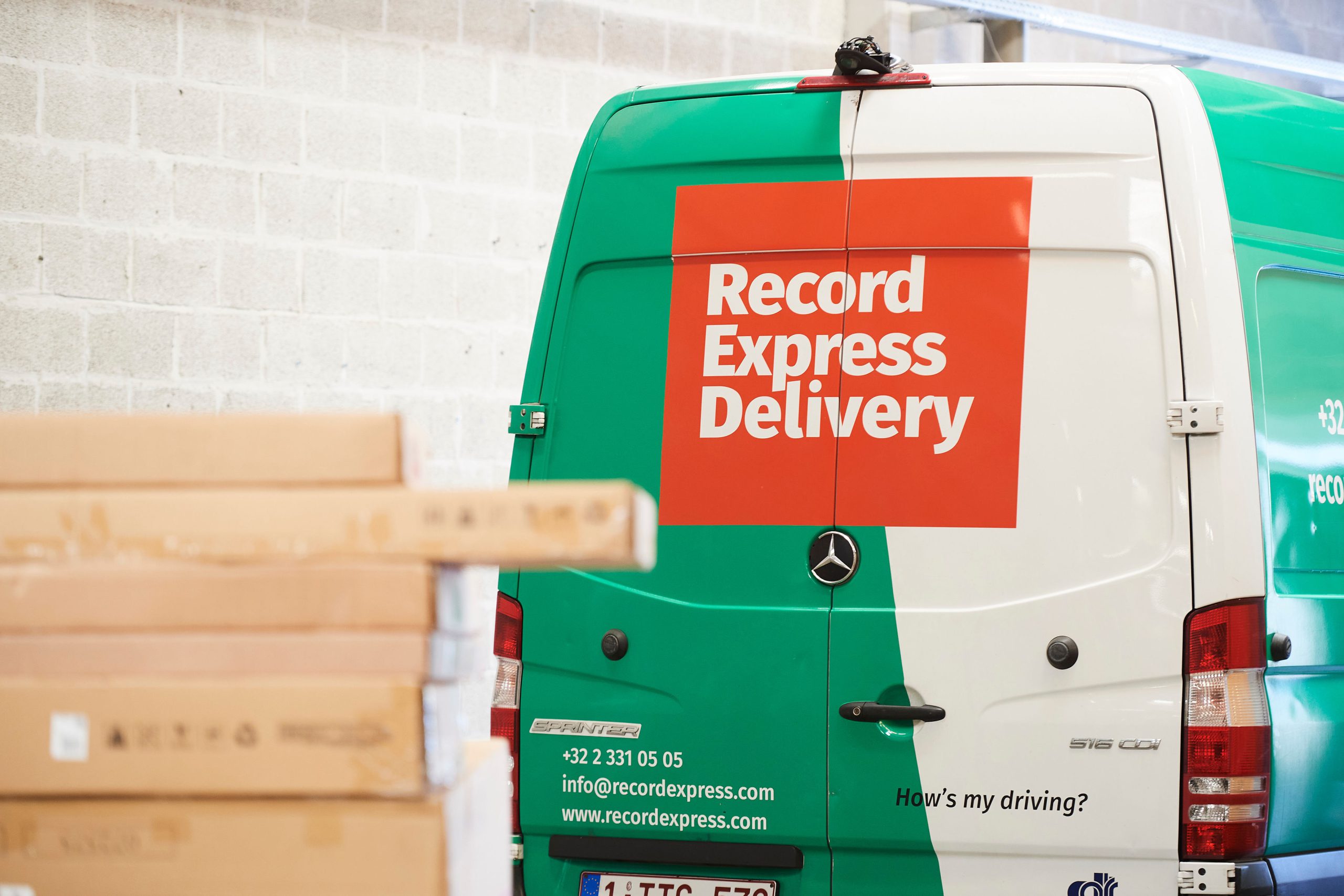
Belgian furniture retailers face costly, complex bulky deliveries.
Best practice: use hybrid solutions combining cross-dock hubs, white-glove delivery, and route optimisation.
Benefits include lower cost per cubic metre, reduced returns, and stronger customer satisfaction.
Track KPIs such as damage rate, on-time delivery, and cost per stop.
Key figures at a glance
Why bulky furniture logistics is challenging in Belgium
Furniture retailers in Belgium face specific barriers when handling bulky goods.
Unlike parcels, sofas, wardrobes, and dining tables cannot be consolidated into standard parcel networks.
These shipments require dedicated two-man delivery, specialised vehicles with tail-lifts, and higher service levels such as in-room delivery or assembly.
The Belgian retail market adds extra layers of complexity:
- Urban density in Brussels, Antwerp, and Ghent leads to parking restrictions and limited access for heavy trucks.
- Cross-border shopping is common, with customers ordering from neighbouring France, Netherlands, and Germany.
- Rising e-commerce expectations mean consumers want faster delivery windows and better visibility.
These pressures mean furniture retailers cannot treat logistics as an afterthought.
Instead, they must integrate delivery strategy directly into their business model.
Delivery models: Which logistics setups work for bulky goods?
Several logistics setups are available for Belgian furniture retailers, each with trade-offs in cost, speed, and customer experience.
Retailers often combine more than one model depending on their product mix and customer geography.
| Model | How it works | Best for | Pros | Limitations |
|---|---|---|---|---|
| Direct to home | Retailer loads furniture at DC and delivers straight to customer | High-value items with low delivery frequency | Full control, high service | Expensive, low utilisation |
| Cross-dock hub | Ship to hub, consolidate, deliver locally | National and Benelux coverage | Better utilisation, scalable | Extra handling risk |
| White-glove partner | Outsource to 3PL offering two-man delivery & assembly | Premium retailers, online brands | Enhances CX, fewer returns | Higher per-stop fee |
| Click & collect | Customer collects bulky items at store or depot | Low-margin items, rural delivery | No last-mile cost | Poor customer convenience |
Key cost drivers and how to control them
Furniture delivery is costly compared to parcels, but retailers can control costs with the right levers:
- Stop density: Optimise routes to serve more customers per run.
- Vehicle choice: Use right-sized vans in urban areas; avoid underfilled 18-ton trucks.
- Consolidation: Combine shipments from multiple suppliers to improve utilisation.
- Reverse logistics: Plan for returns collection, repairs, and recycling to avoid dead mileage.
Example: Antwerp delivery run
A 5-stop bulky run with mixed items (sofas, beds, cabinets) costs ~€520.
By consolidating and improving stop density to 8 deliveries, cost per stop falls from €104 to €68.
Over a year, this equates to savings of over €100,000 for a mid-sized retailer.
Customer expectations: Why service quality is as important as cost
In furniture retail, logistics directly impacts brand reputation.
A damaged sofa or a missed time slot can create negative reviews that hurt sales for months.
Belgian consumers increasingly demand:
- Delivery scheduling: 2–4 hour time slots, not “sometime this week.”
- Tracking visibility: SMS updates, driver ETA notifications.
- In-home handling: Two-man delivery, upstairs carry, optional assembly.
- Eco-conscious logistics: Carbon reporting, green vehicles, recycling of old furniture.
Retailers that fail to meet these standards risk higher returns and lower customer loyalty.
Investing in white-glove or hybrid delivery services often pays back via reduced claims and repeat purchases.
Technology enablers for bulky retail logistics
Technology is transforming bulky delivery in Belgium:
- Route optimisation software reduces kilometres driven and improves punctuality.
- Warehouse scanning & WMS ensures correct items and reduces mis-shipments.
- Proof-of-delivery apps with photos and signatures cut disputes.
- Customer portals allow rescheduling, reducing failed deliveries.
Integration between retailer ERP systems and 3PL carrier systems is now essential for visibility and customer satisfaction.
Cross-border considerations for Belgian furniture retailers
With Belgium’s central EU position, many retailers deliver to France, Netherlands, Germany, and Luxembourg.
Cross-border bulky logistics requires compliance with:
- EU weight and dimension rules for heavy vehicles.
- Different VAT invoicing and customer return policies.
- Language requirements in delivery documents.
Retailers that invest in multilingual call centres and localised customer support often gain an edge in cross-border sales.
KPIs to track for bulky delivery performance
| KPI | Target | Why it matters |
|---|---|---|
| Damage rate | < 2% | Reduces costly claims and lost sales |
| On-time delivery | > 95% | Builds trust and repeat business |
| Cost per stop | €65–€80 | Ensures profitability at scale |
| Customer satisfaction | ≥ 4.5/5 | Drives reviews and referrals |
What Belgian retailers say
“By moving to a white-glove partner with cross-dock consolidation, we cut our claims rate in half and improved NPS by 20 points.”
— Logistics Director, Belgian furniture chain
FAQ
How much does bulky furniture delivery cost in Belgium?
Typically €65–€120 per stop depending on distance, service level, and assembly requirements.
What is white-glove delivery?
A premium service including two-man delivery, room-of-choice placement, assembly, and packaging removal.
Can bulky deliveries be eco-friendly?
Yes. Retailers use electric vans, carbon offsetting, and recycling schemes to reduce environmental impact.
How long does delivery take?
Domestic bulky deliveries usually take 2–5 working days; cross-border EU deliveries 3–7 days.
What KPIs should retailers track?
Damage rate, cost per stop, on-time delivery, and customer satisfaction scores.
Sources & Further Reading

Record Express was awarded a 59/100 score by EcoVadis, the global leader in sustainability ratings.


