
Freight Consolidation Strategies for Belgian Businesses
SEND PARCELHome / Our Business Areas / Industry / Freight Consolidation Strategies for Belgian Businesses
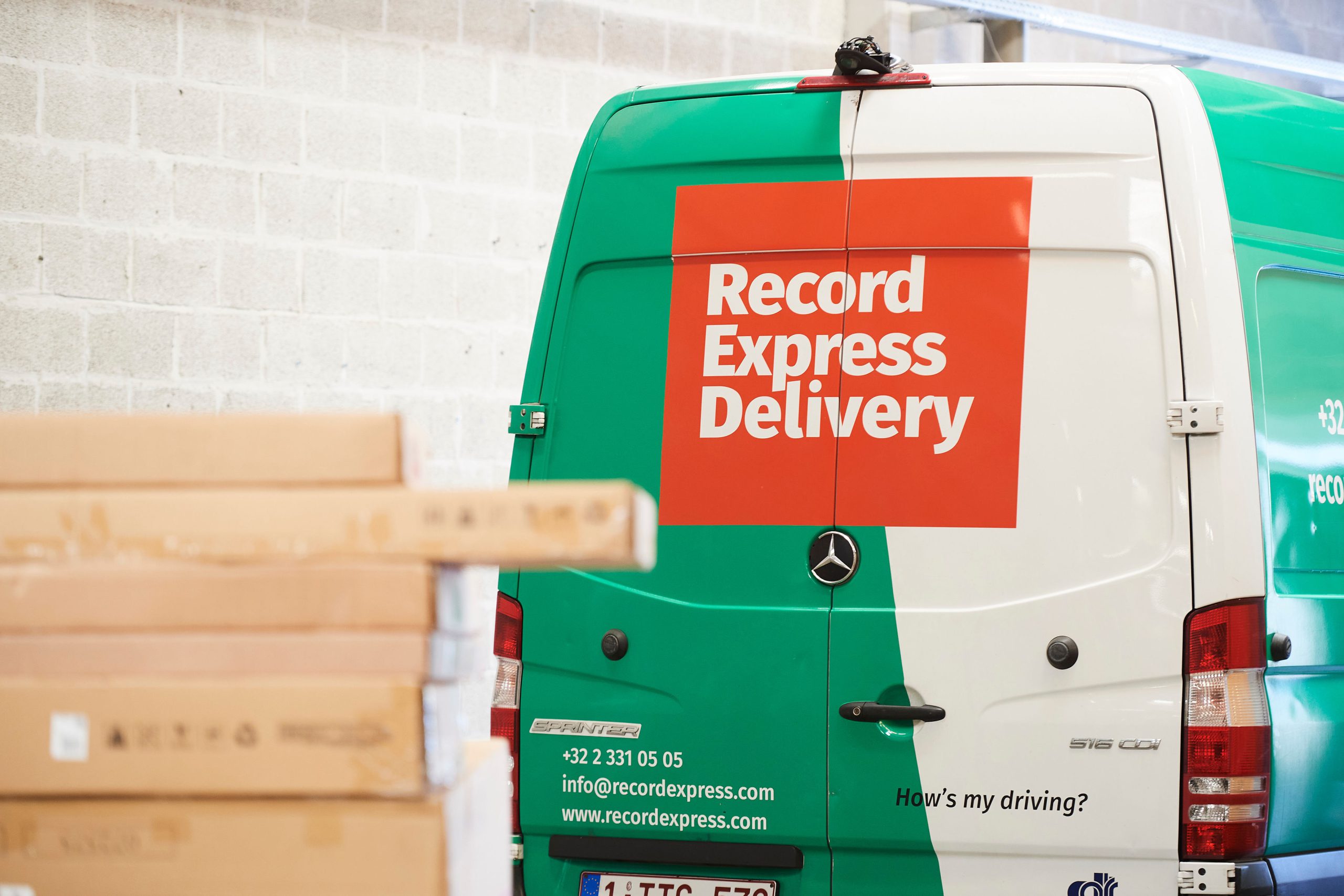
Consolidating shipments into fewer, fuller loads reduces cost, cuts emissions, and improves delivery reliability.
It suits SMEs that ship multiple partial pallets or parcels each week, retailers with recurring store replenishment, and manufacturers with suppliers across the EU.
Start with a 6 to 8 week data audit, standardise pallets and labels, then move recurring lanes to groupage, milk runs, or cross-dock flows.
Track fill rate, cost per kilo, on-time delivery, and CO₂ per shipment.
Key figures at a glance
What is freight consolidation and who benefits?
Freight consolidation combines multiple smaller consignments into a single, fuller shipment.
Carriers then move that consolidated load through groupage networks, milk runs, or cross-dock hubs.
The result is higher trailer utilisation, simpler booking, fewer accessorials, and steadier delivery windows.
Direct answer: It is best for SMEs that send frequent partial pallets, retailers with repeat store replenishment, and manufacturers sourcing from several EU suppliers into Belgium.
What savings can Belgian shippers expect and how do you model them?
The business case comes from fewer consignment fees and better price per kilo from fuller loads.
A simple model compares your current weekly shipments with a consolidated plan that increases average fill rate and reduces pick-up attempts.
Example: weekly outbound from Brussels to Benelux
| Metric | Before (5 partial pallets x 3 days) | After (2 consolidated departures) | Impact |
|---|---|---|---|
| Average trailer fill | 35% | 78% | Higher utilisation, better €/kg |
| Pick-ups per week | 15 | 6 | Fewer handling events and surcharges |
| Estimated transport cost | €3,800 | €2,900 | ~24% saving in this lane |
| CO₂ proxy | Baseline 100 | ~75 | Fewer trips, lower emissions |
Figures are illustrative for modelling. Actual results depend on weight, cube, distance, and service level.
Direct answer: Many SMEs see double-digit percentage savings once partial pallets move into planned consolidated departures, with additional CO₂ reduction from fewer truck movements.
Which consolidation models work best in Belgium?
| Model | How it works | Best for | Pros | Watch-outs |
|---|---|---|---|---|
| Groupage (LTL) | Your pallets share linehauls via national and EU hubs | 2 to 8 pallets, multi-drop Belgium, EU export | Lower €/kg, daily frequency, wide reach | Cut-off times, unloading sequence can affect ETA |
| Milk run | Planned circular route collects or delivers to set stops | Retail store rounds, supplier collections | Predictable slots, fewer pick-up fees | Needs stable volumes and tight time windows |
| Cross-dock | Inbound consolidated to hub, outbound by region | Benelux distribution, next-day regional delivery | Speed with minimal storage | Label accuracy and ASN quality are critical |
| Collaborative consolidation | Non-competing shippers share capacity on a lane | Thin volumes to fixed destinations | Unlocks FTL pricing and service | Contracting, data sharing, and NDA process |
How do we implement consolidation without hurting service?
- Audit 6–8 weeks of data, capture weight, cube, pick-up day, postcode, accessorials, and carrier.
- Classify SKUs, set pack sizes and pallet standards, choose Euro or industrial footprint consistently.
- Routing guide, define two weekly departures per lane to start, then scale frequency.
- Label and ASN, GS1 label with SSCC, send advance shipment notice to reduce cross-dock touches.
- Carrier SLAs, on-time delivery, damage rate, scan compliance, proof-of-delivery timing.
- Cut-over plan, switch lane by lane with shadow KPIs for two weeks.
Tip: Start with your most expensive partial-load lane. Prove savings, then roll out to adjacent lanes.
Pricing, Incoterms, and common accessorials
| Topic | What to agree | Why it matters |
|---|---|---|
| LTL vs FTL vs groupage | Tariff basis, minimum charges, fuel index, pallet exchange policy | Avoids bill shock when volumes fluctuate |
| Incoterms | Responsibility split and handover scan points | Clear liability, better POD control |
| Accessorials | Tail-lift, residential, timed delivery, waiting, redelivery rules | Consolidated plans can fail if surcharges are unmanaged |
Compliance and risk for Belgian operations
Plan for ADR if you ship dangerous goods, respect axle and gross weight limits, and check local urban access rules before scheduling store deliveries.
Keep CMR consignment notes accurate, and ensure insurance aligns with your Incoterms and declared values.
For EU export and import, confirm EORI, VAT rules, and any customs data your lanes require.
Tip: Put a pre-check in the TMS for weight by axle and ADR class so issues are caught before loading.
KPIs to track after go-live
| KPI | Target | How to calculate | Notes |
|---|---|---|---|
| Fill rate | ≥ 75% average per departure | Total shipped cube or weight divided by capacity | Raise departures only when fill rate is stable |
| Cost per kg | Down 10–30% vs baseline | Total transport cost divided by net kilos | Exclude one-off project loads from the series |
| On-time delivery | ≥ 97% | Delivered within agreed window over total | Split planned vs expedited |
| CO₂ per shipment | Down quarter on quarter | Carrier emissions method or EN 16258 | Use the same method each month |
| Damage rate | ≤ 0.3% | Damage claims over shipments | Validate pallet quality and wrap standards |
What our clients say
“Switching to two weekly consolidated departures cut our Benelux costs by about a quarter, with steadier store ETAs.”
Operations Manager, Belgian retailer
FAQ
How do I know if consolidation will pay off?
Run a lane audit for 6–8 weeks. If you send repeated partial pallets on the same routes, a pilot will usually return double-digit savings.
Will service get slower?
Not if you set fixed departures and protect cut-off times. Groupage, milk runs, and cross-dock solutions keep next-day and two-day options for Benelux.
What about ADR and temperature control?
Consolidation still works. You need compliant carriers, correct labels, and compatible loads. Separate streams when rules require it.
Can different companies share a truck?
Yes. Collaborative consolidation allows non-competing shippers to share capacity under a clear contract and NDA.
How quickly can we start?
Most SMEs can stand up a pilot lane within 6–8 weeks once data, labels, and routing guides are ready.
Sources & Further Reading
Record Express was awarded a 59/100 score by EcoVadis, the global leader in sustainability ratings.


