
What Is Logistics?
Logistics is the planning, organisation, and management of how goods, materials, and information move from one point to another. SEND PARCELHome / E-commerce logistics / What Is Logistics?
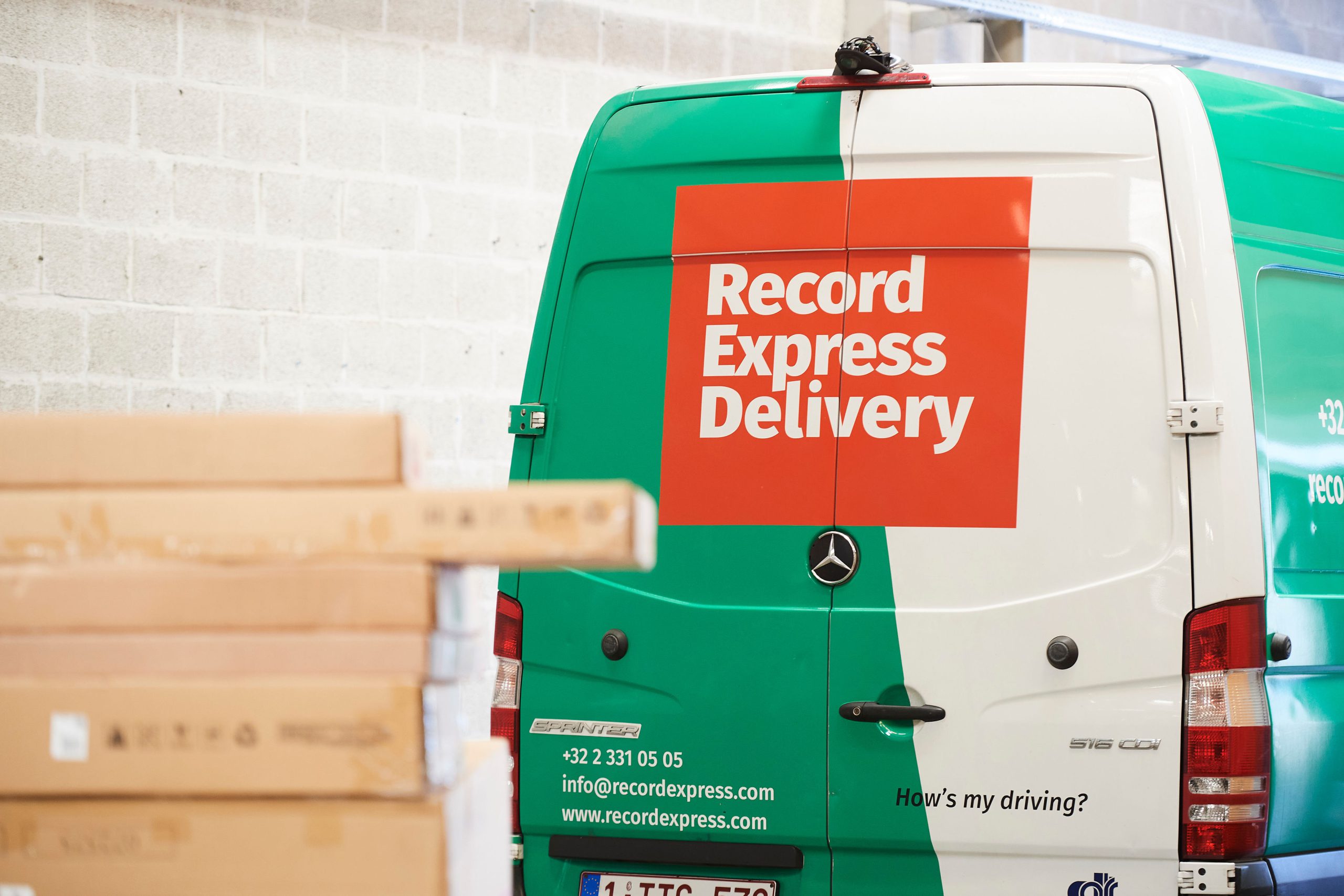
What Is Logistics?
In summary
Logistics refers to all processes for planning, organising and controlling the flow of goods, information and resources from origin to destination. It covers transport, warehousing, picking, inventory management and reverse logistics. For Belgian businesses, efficient logistics is a direct lever for competitiveness and customer satisfaction.
TL;DR: Logistics is the planning, organisation, and management of how goods, materials, and information move from one point to another. It covers storage, transportation, distribution, and returns, ensuring that products reach the right place, at the right time, in the right condition. In Belgium and across the EU, logistics underpins trade, e-commerce, and supply chains, making it a vital part of modern business operations.
What does logistics mean?
Logistics is the process of coordinating the movement and storage of goods, services, and information within supply chains (European Commission). It involves the integration of transportation, warehousing, inventory management, and delivery services to meet customer and business needs.
- Transporting goods by road, rail, air, or sea
- Storing products in warehouses or distribution centres
- Managing inventory levels to match demand
- Delivering parcels, freight, and documents
- Handling returns and reverse logistics
Takeaway: Logistics ensures goods flow smoothly through supply chains, from production to final delivery.
What are the key types of logistics?
Logistics can be divided into several types depending on its role in the supply chain (UNCTAD).
- Inbound logistics: managing raw materials and supplies coming into a business
- Outbound logistics: distributing finished goods to customers
- Reverse logistics: handling returns, recycling, and waste
- Third-party logistics (3PL): outsourcing logistics to external providers
- Last-mile logistics: final delivery to end customers
Each type has different challenges but all contribute to supply chain efficiency and customer satisfaction.
Takeaway: Understanding logistics types helps businesses design supply chains that are flexible and efficient.
Why is logistics important?
Logistics is important because it ensures supply chains run smoothly, supporting economic growth, customer satisfaction, and competitiveness (OECD).
- Enables global trade by connecting producers and consumers
- Improves customer service through fast, reliable delivery
- Optimises costs by managing inventory and transport efficiently
- Supports e-commerce and just-in-time manufacturing
- Drives sustainability through green logistics practices
Without efficient logistics, businesses risk higher costs, delays, and dissatisfied customers.
Takeaway: Logistics is a cornerstone of business success, enabling trade and customer trust.
How does logistics work in practice?
Logistics works through a series of interconnected activities that move goods from suppliers to end customers (ISO).
- Procurement of raw materials or finished products
- Transport to warehouses or hubs
- Storage and inventory management
- Distribution through courier, freight, or express networks
- Final delivery and returns handling
Logistics providers use technology such as GPS tracking, warehouse management systems, and AI-driven route optimisation to manage these steps efficiently.
Takeaway: Logistics combines people, processes, and technology to move goods effectively through supply chains.
What challenges exist in logistics?
Logistics faces challenges from rising customer expectations, regulatory complexity, and global supply chain disruptions (UNCTAD).
- High customer demand for same-day or next-day delivery
- Compliance with customs and trade regulations
- Supply chain disruptions from geopolitical or climate events
- Rising transport costs linked to fuel and inflation
- Pressure to reduce environmental impacts
Businesses must balance speed, cost, and compliance to succeed in modern logistics.
Takeaway: Logistics requires constant adaptation to economic, regulatory, and environmental pressures.
How does technology support logistics?
Technology enhances logistics by improving visibility, efficiency, and decision-making (IBM).
- GPS and IoT devices provide real-time tracking
- Warehouse automation speeds up order fulfilment
- AI predicts demand and optimises routes
- Blockchain secures trade documentation
- Cloud platforms connect shippers, couriers, and customers
Digital tools turn logistics into a data-driven process, reducing errors and increasing transparency.
Takeaway: Technology is the engine behind modern, customer-centric logistics.
How Record Express supports logistics in Belgium
Record Express provides tailored logistics services for Belgian businesses, covering courier, express, and last-mile delivery.
- Same-day, next-day, and scheduled delivery options
- Coverage across Brussels, Antwerp, Ghent, and nationwide
- Integration with e-commerce and B2B supply chains
- Compliance with EU logistics and sustainability standards
- Technology-driven visibility and customer updates
By combining local expertise with advanced logistics solutions, Record Express ensures Belgian businesses stay competitive and compliant.
🔗 Related reading:
- E-Commerce Logistics Basics
- Third-Party Logistics (3PL) Explained
- Freight Forwarding Explained
- Sustainable Logistics Practices
- Logistics Compliance: Laws & Standards
FAQs
1. What is the definition of logistics?
It is the planning and execution of the movement and storage of goods, services, and information within supply chains.
2. What are the main types of logistics?
Inbound, outbound, reverse, last-mile, and outsourced (3PL) logistics.
3. Why is logistics important for businesses?
It ensures goods reach customers on time, supports competitiveness, and reduces costs.
4. How does logistics differ from supply chain management?
Logistics focuses on movement and storage, while supply chain management covers the broader coordination of suppliers, production, and distribution.
5. Does Record Express provide logistics services in Belgium?
Yes—Record Express offers courier, express, and last-mile logistics tailored for Belgian businesses.
Sources
Record Express was awarded a 59/100 score by EcoVadis, the global leader in sustainability ratings.


