
Route Optimisation in Delivery Services
Route optimisation is the use of algorithms, AI, and real-time data to plan the most efficient delivery routes. For logistics providers, it reduces fuel costs, improves delivery times, and increases customer satisfaction SEND PARCELHome / E-commerce logistics / Route Optimisation in Delivery Services
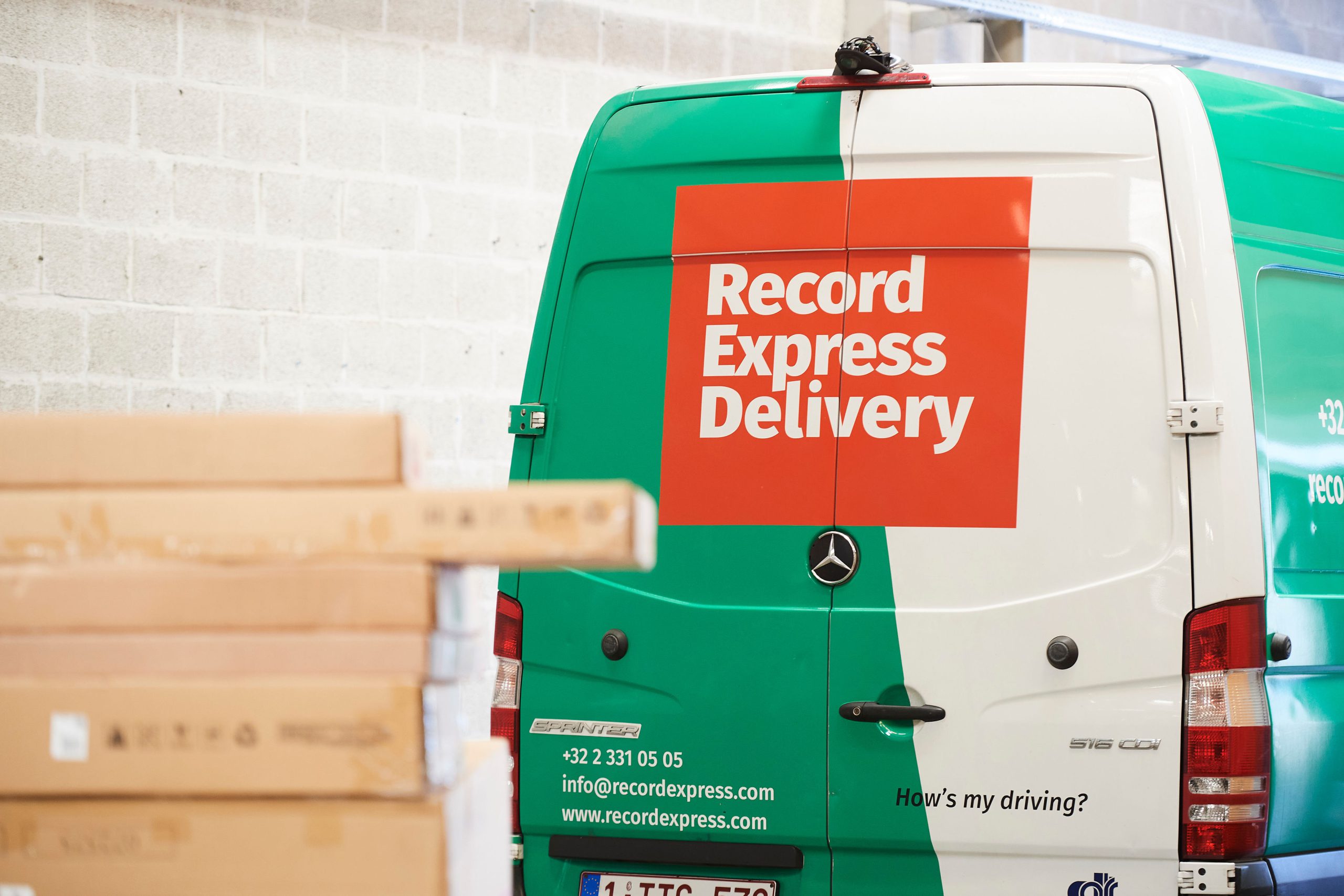
Route Optimisation in Delivery Services
TL;DR: Route optimisation is the use of algorithms, AI, and real-time data to plan the most efficient delivery routes. For logistics providers, it reduces fuel costs, improves delivery times, and increases customer satisfaction. In courier operations, route optimisation enables fleets to handle more deliveries per day while meeting time windows, lowering emissions, and adapting dynamically to traffic and weather conditions.
What is route optimisation in logistics?
Route optimisation is the process of determining the most efficient sequence and path for deliveries, balancing speed, cost, and service quality (European Commission). It goes beyond simply finding the shortest distance—taking into account traffic, delivery windows, vehicle capacity, and regulatory restrictions.
- Algorithms calculate the best routes for delivery fleets
- Factors include distance, traffic, and driver schedules
- Optimisation can apply to vans, trucks, or even bike couriers
- Supports both same-day and scheduled delivery models
- Improves customer experience with predictable delivery windows
Takeaway: Route optimisation ensures deliveries are fast, cost-efficient, and environmentally sustainable.
How does AI improve route optimisation?
AI enhances route optimisation by learning from historical data and adapting in real time (IBM).
- Predicts traffic congestion patterns based on past data
- Adapts instantly to live incidents or weather conditions
- Balances multiple variables such as capacity and delivery windows
- Improves continuously through machine learning
- Supports dynamic pricing and load balancing across fleets
AI-driven optimisation is particularly valuable in urban environments like Brussels or Antwerp, where congestion and low-emission zones complicate logistics.
Takeaway: AI transforms route optimisation from static planning into a dynamic, real-time system.
What are the benefits of route optimisation?
Route optimisation generates operational, financial, and environmental benefits (OECD).
- Fuel savings from reduced mileage and idle time
- Faster delivery times and more on-time arrivals
- Increased fleet productivity with more deliveries per day
- Lower CO₂ emissions supporting sustainability goals
- Reduced stress and workload for drivers
For logistics operators, these benefits translate into higher margins, improved service quality, and stronger competitiveness.
Takeaway: Route optimisation improves both profitability and sustainability for delivery services.
How is route optimisation applied in courier operations?
In courier services, route optimisation helps fleets handle time-sensitive, high-volume deliveries efficiently (ISO).
- Same-day delivery relies on rapid and precise routing
- Dynamic re-routing adjusts to traffic or failed delivery attempts
- Integration with customer apps provides accurate ETAs
- Supports compliance with city access rules (e.g., LEZ zones)
- Optimises multi-stop routes for B2B and B2C deliveries
Courier companies increasingly combine route optimisation with EV fleets, ensuring both speed and sustainability in dense urban environments.
Takeaway: Route optimisation is the backbone of efficient courier services, especially in high-demand B2B and e-commerce markets.
What technology enables route optimisation?
Route optimisation is powered by a combination of GPS, IoT, AI, and cloud-based platforms (UNCTAD).
- GPS tracking provides real-time vehicle location
- IoT sensors monitor vehicle condition and delivery environments
- Cloud platforms connect dispatchers, drivers, and customers
- AI algorithms balance cost, time, and customer constraints
- Mobile apps deliver navigation and updates to drivers
These technologies integrate into logistics management systems, giving operators end-to-end visibility and control over fleet performance.
Takeaway: Modern route optimisation relies on a digital ecosystem of AI, IoT, and real-time data.
What challenges exist in route optimisation?
Route optimisation faces challenges from unpredictable variables and operational constraints (ISO).
- Unpredictable events like accidents or road closures
- Complex urban delivery rules such as LEZ restrictions
- Balancing speed with sustainability targets
- Integrating optimisation tools with legacy systems
- Data quality issues affecting algorithm performance
Despite these challenges, continuous advances in AI and real-time monitoring are making route optimisation increasingly reliable and adaptive.
Takeaway: While challenges exist, technology continues to improve the accuracy and effectiveness of optimisation systems.
How Record Express uses route optimisation in Belgium
Record Express applies advanced route optimisation to deliver faster, greener, and more reliable courier services across Belgium.
- AI-driven route planning for same-day and next-day deliveries
- Integration of EV fleets with optimised routing
- Real-time traffic and weather adjustments
- Dynamic re-routing to reduce failed delivery attempts
- Coverage across Brussels, Antwerp, Ghent, and national networks
By combining technology and local expertise, Record Express ensures clients benefit from both cost savings and environmental efficiency.
🔗 Related reading:
- Technology in Logistics
- Sustainable Logistics Practices
- Expedited Shipping: How It Works
- Freight Forwarding Explained
- What Is a Courier Service?
FAQs
1. What is route optimisation in delivery?
It’s the use of algorithms and data to plan the most efficient delivery routes, saving time and cost.
2. How does AI help in route optimisation?
AI predicts delays, adapts routes in real time, and balances multiple delivery variables.
3. Does route optimisation reduce emissions?
Yes—shorter, smarter routes reduce fuel consumption and CO₂ output.
4. Can small courier companies use route optimisation?
Yes—cloud-based platforms make optimisation affordable for SMEs as well as large operators.
5. Does Record Express use route optimisation?
Yes—Record Express applies AI-driven optimisation to improve speed, reliability, and sustainability in Belgium.
Sources
Record Express was awarded a 59/100 score by EcoVadis, the global leader in sustainability ratings.


